The 2026 World Cup: The Tournament Formerly Known as Football
The 2026 World Cup kicked off on June 11 with 48 national teams, three host nations, and more matches than ever. It also came with $7,000 tickets, a Peace Prize for Donald Trump, and a halftime show headlined by Madonna, Shakira, and BTS. Football is in there somewhere.

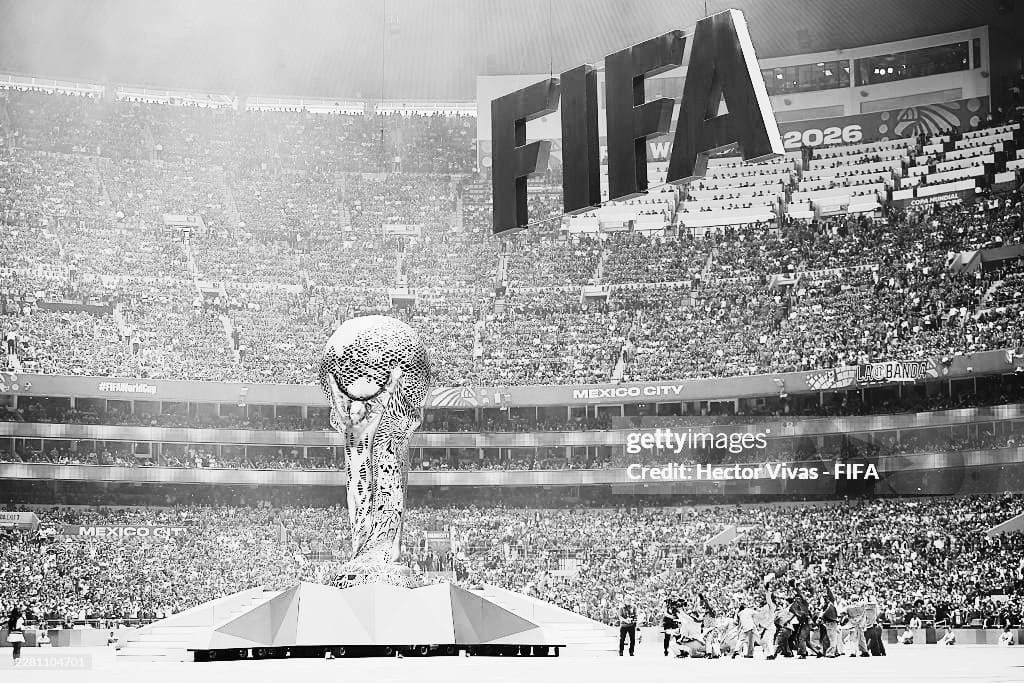
The 2026 World Cup kicked off on June 11 with 48 national teams, three host nations, and more matches than ever. It also came with $7,000 tickets, a Peace Prize for Donald Trump, and a halftime show headlined by Madonna, Shakira, and BTS. Football is in there somewhere.
Translation from Spanish (Argentine) | Mutamag
Written by Leandro Juarez
The 23rd edition of the FIFA World Cup will run from June 11 to July 19, 2026. It marks the first time the tournament has been co-hosted by three nations: Canada, Mexico, and the United States. It is also the first edition to feature 48 participating nations — up from 32 in previous editions — divided into twelve groups of four teams each. A total of 104 matches will be played over just over a month of competition, compared to the 64 matches contested in Qatar. Under the new format, the two top finishers from each group, plus the eight best third-placed teams, will advance to the knockout rounds. FIFA president Gianni Infantino has declared that these historic changes were made to render the World Cup more global, meaningful, and inclusive. That’s one way to look at it. The other — far more unvarnished and real — is that this supposedly ‘inclusive and global’ tournament is riddled with financial scandals, migratory tensions, and armed conflict. Let the games begin.
The controversies began in 2017 with the announcement of the expanded field, sparking debate over whether footballing quality would suffer from the inclusion of historically weaker nations. Given that Italy once again failed to qualify while Curaçao did, that’s arguably a moot point. But the matches still have to be played — and this would be the least of the tournament’s problems if there weren’t far more pressing ones. The organizing body opted for a ‘dynamic pricing’ model for match tickets, meaning seats can range from $214 to $7,256 depending on the match’s significance and demand. Prices fluctuate constantly, and despite FIFA’s promises, the $60 entry-level ticket proved virtually unattainable for most fans. To make matters worse, FIFA has still not managed to sell out its luxury hospitality packages for the full slate of 104 matches. According to The Guardian, only Mexico vs. South Korea (Group A) and one Round of 16 fixture expected to feature Spain have no tickets remaining on FIFA’s hospitality platform. In response to this slump in bookings, the organization rolled out a new ‘suite essentials’ category for lower-profile matches, allowing clients to purchase individual suite seats that would previously have been sold to groups.
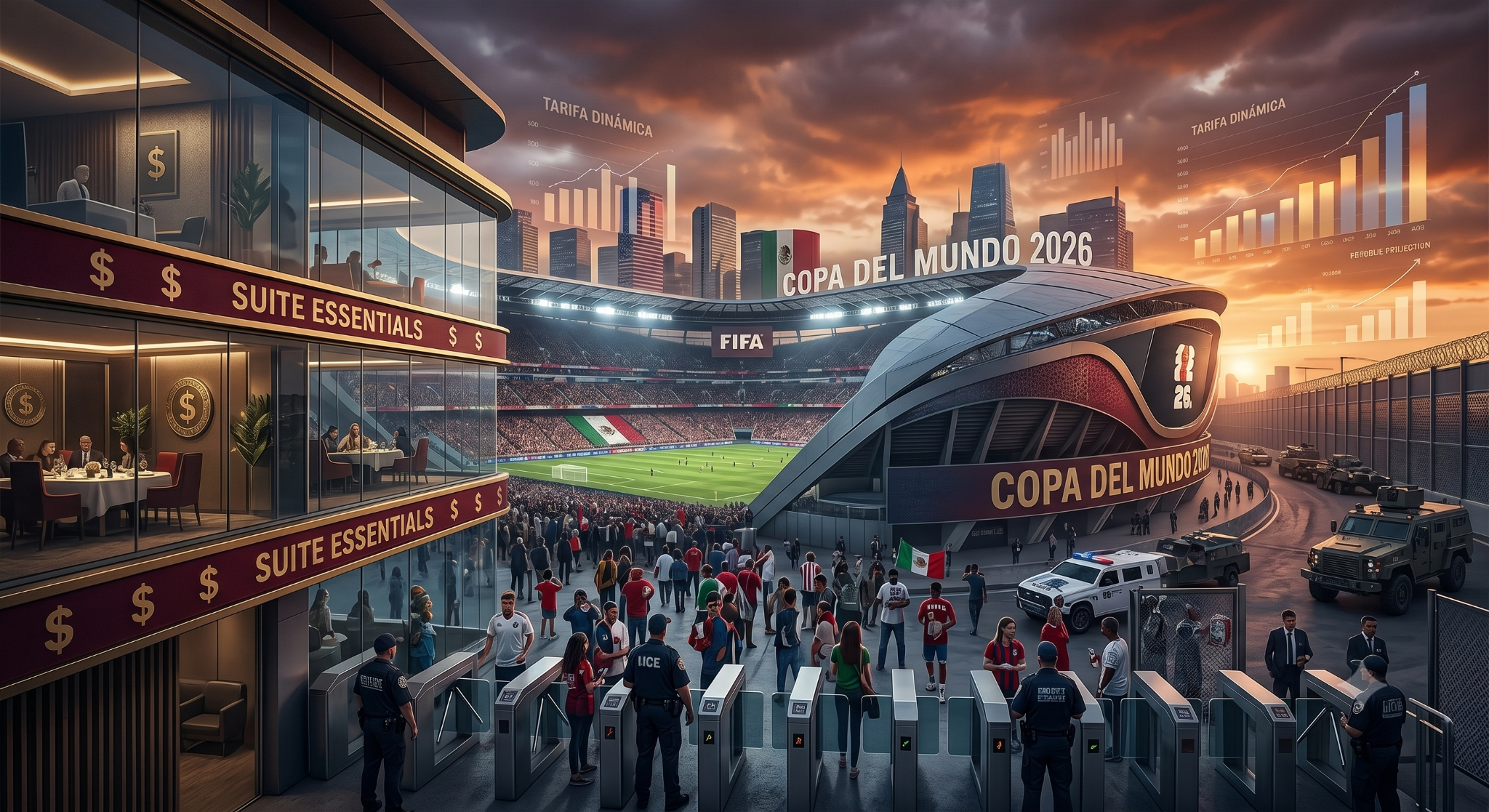
The independent organization Football Supporters Europe (FSE) and Euroconsumers have filed a formal complaint with the European Commission against FIFA. According to the FSE’s official website, its members allege that the football federation is abusing its monopolistic position to impose predatory pricing and unfair purchasing conditions on European fans — covering not only tickets but also travel and accommodation. FIFA has implemented a dynamic pricing system with no oversight or transparency. The only statement the body has made is that prices vary according to supply and demand. According to ticketdata.com, as of June 4, Mexico is the most expensive team to watch, with an average ticket price of $1,882 — a figure that the site notes rose 3% in the three preceding days. Rounding out the top five, in descending order, are Portugal, Brazil, Colombia, and Scotland. Iran is the cheapest side to follow, with an average ticket cost of $297. The most expensive individual match is the aforementioned World Cup Final at MetLife Stadium in New Jersey. Second is Colombia vs. Portugal at Hard Rock Stadium in Miami, at $2,700. The logic, at best, is algorithmic. In practice, budgeting a trip to attend a set number of matches becomes impossible, given that costs are subject to the whims of supply and demand — a mechanism controlled, ultimately, by FIFA itself.
“The United States does not want the Iranian national team to stay overnight on its soil. We were asked: could they stay in Mexico? And we said, yes, no problem. We have no objection,” said Mexican President Claudia Sheinbaum at a press conference. In March, U.S. President Donald Trump stated that the Iranian team was welcome to compete, but that he was suggesting they should not stay in the country “for their own life and safety” — despite the fact that their matches are scheduled on American soil. Things escalated to the point that Paolo Zapolli, the United States’ Special Envoy for Global Alliances (a Milan-born businessman within Trump’s inner circle) floated the proposal that, given its history, Italy should replace Iran and take the national team’s spot in the tournament. It bears mentioning that the U.S.-Israel-Iran conflict continues to escalate, with the dispute over sovereignty of the Strait of Hormuz as a backdrop. One might assume that football is less important than human lives. Perhaps that depends on which corner of the world those lives are lived.
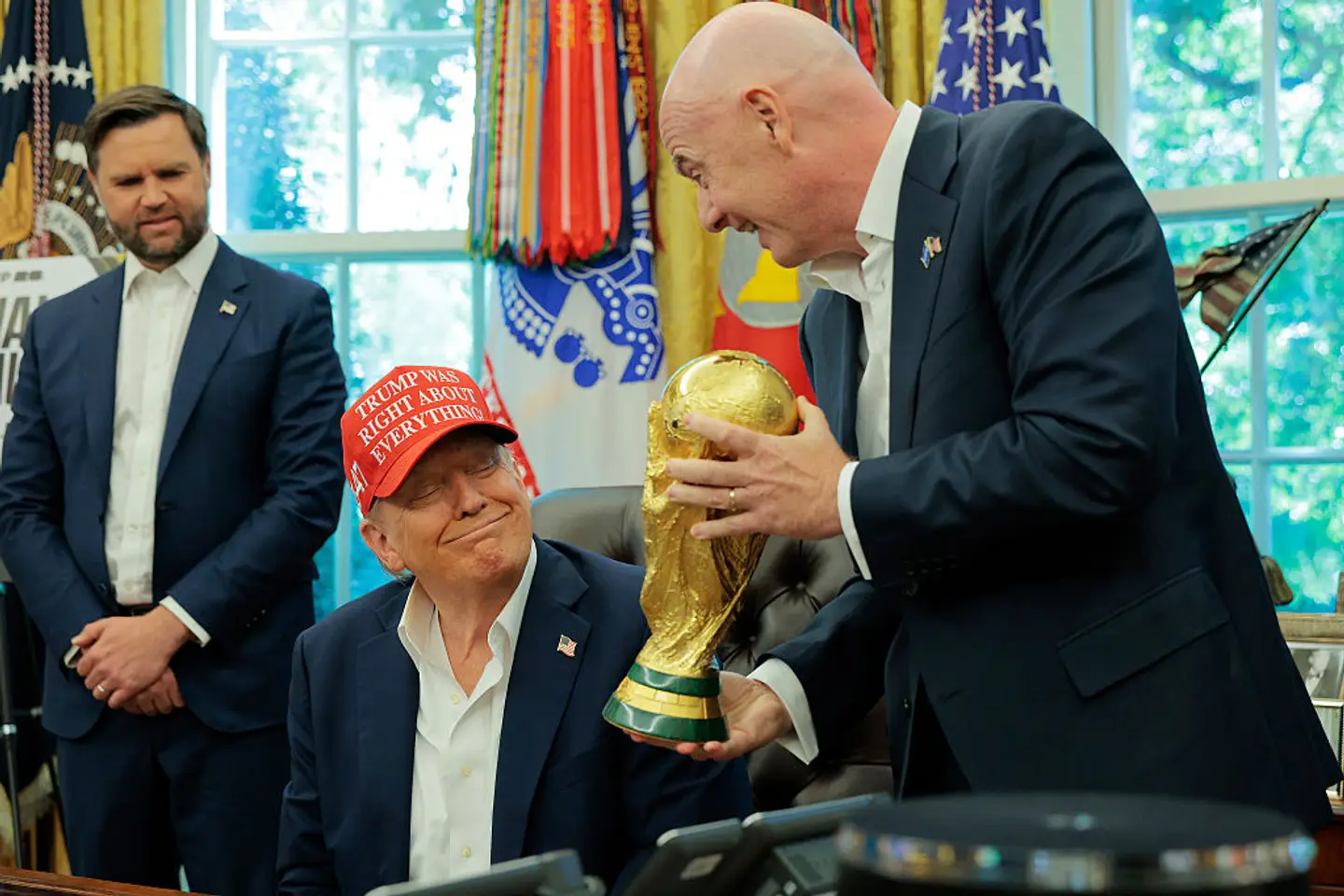
In an apparent bid to reassure football fans, FIFA honored President Donald Trump with the first — and, to date, only — FIFA Peace Prize, as if the one recently gifted to him by Corina Machado weren’t enough. This is the same administration that approved a $70 billion budget for ICE (U.S. Immigration and Customs Enforcement) and the Border Patrol. It is worth remembering that this armed agency is among the most criticized for the abuses committed during its violent raids, as well as for the opacity with which it operates. In plain terms: its agents move with their faces covered, paramilitary-style, and if your skin isn’t white, you can expect to be detained without much explanation. Against this backdrop, The Washington Post and the University of Maryland conducted a survey finding that two in three Americans oppose ICE conducting enforcement operations during the World Cup. Respondents also supported Iran’s participation in the tournament and agreed that Iranian players should be permitted to remain in the country if they fear persecution by the Iranian government. For what it’s worth, Homeland Security Secretary Markwayne Mullin has stated that ICE will focus on issues such as counterfeit goods, human trafficking, intelligence coordination, and transnational crime.
Back to the World Cup — though not to football itself. For the first time in nearly a hundred years, the World Cup Final will feature a halftime show. Yes, there are many ‘firsts’ this time around. In a full Super Bowl-ification of the event, Madonna, Shakira, and BTS will headline a show curated by Coldplay frontman Chris Martin. The 2022 Qatar World Cup Final broke all audience records, reaching 1.5 billion viewers worldwide. With that precedent in hand, the organizers have seized the opportunity to transform the world’s most-watched sporting event into a pop festival. But there is room for good deeds too. According to the official Global Citizen website, the show “will support the FIFA Global Citizen Education Fund, with the goal of raising $100 million to expand access to quality education and football for children around the world.” The irony is hard to miss: as mentioned, ticketdata shows Final tickets priced at over $7,000 a seat. And since prices are dynamic, that figure can rise further depending on who qualifies — all dictated by the entity that holds the ticket monopoly: FIFA. This creates two glaring contradictions. First: while the genuine football fan is priced out of the stadium, the seats fill with a VIP audience there to watch a 25-to-30-minute concert. The world’s most important football match becomes the opening act for a pop show. Second, and more troublingly: FIFA is using an NGO that defines itself as “a movement dedicated to ending extreme poverty” to legitimize this spectacle — all while raking in revenue from broadcast rights, advertising, and sponsorships.
So what does this flood of money actually mean for the host nations? According to FIFA’s own projections and a UBS (Union Bank of Switzerland) analysis: not much. The tournament is expected to inject approximately $41 billion into global GDP and generate $11 billion in revenue. But the impact is deceptive. According to investment bank Saxo Bank, for the United States — which will host 81% of all matches — the World Cup represents just 0.1% of GDP growth. The most meaningful impact will be felt by host cities through local tourism, services, and consumer spending. Among the three host nations, Mexico is the ‘winner’, with expected economic benefits of around $3 billion, equivalent to between 0.2% and 0.5% of its GDP. More accustomed to relying on tourism as a revenue driver in cities like Mexico City, Guadalajara, and Monterrey, the country anticipates a tangible boost. Canada, meanwhile, presents a bittersweet picture: while an estimated 3.8 billion Canadian dollars are expected to flow in, the costs of hosting the event could significantly offset any net benefit for taxpayers. Who actually profits, then? Most likely, those collecting the multi-million-dollar dividends from advertising during hydration breaks — a practice that began as a genuine concession to players in hot climates and evolved into yet another revenue stream. And of course, the usual suspects: major hotel chains, fast-food conglomerates, sticker albums, jerseys, caps, and all manner of merchandise — all managed and monetized by the same hands as always, to justify the investment in a sport that knows exactly how to make people feel things.
The ball isn’t rolling anymore. The money is. And as spectators, we’re losing by a landslide.